
Foresight is the ability to predict what will happen or be needed in the future, coupled with the prudent preparation to handle it. It means taking mindful, proactive steps today to navigate future possibilities and mitigate risks.
It is also the ability to:
- explore possible future scenarios
- analyze emerging trends
- use this information to make decisions in the present
It is not about predicting a single future, but rather preparing for various possible scenarios.
As the world of work is changing incredibly fast, new tech and new jobs appear every day, and employers want totally new skills. Because of this, VET educators can no longer train students just for today. We have to look ahead and see where the market is going. That is why foresight is so important. It helps educators prepare students for the skills they will need tomorrow.
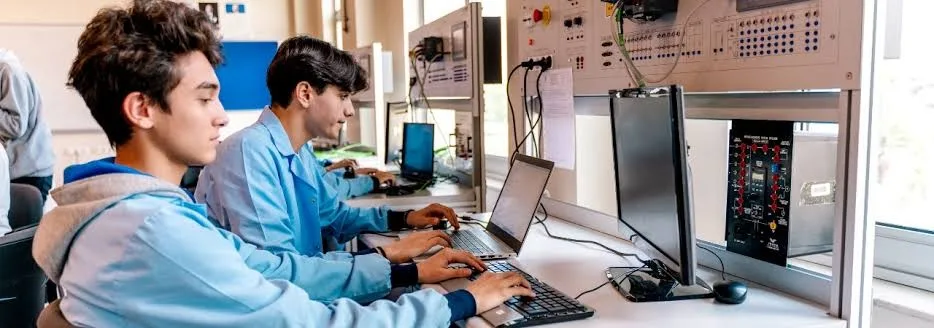
Foresight is the ability to look ahead and prepare for possible changes. It is not about guessing exactly what will happen. Instead, it means looking at current trends and using them to make better decisions. For VET educators, this means creating training programmes that help students develop skills they will need in the future, not only today. The best thing about foresight is that it keeps your lessons useful. Technology changes fast—some jobs vanish, and new ones pop up overnight. By tweaking your courses early, you make sure students learn exactly what bosses are looking for right now. This gives them the best possible shot at landing a job the moment they graduate.
Foresight also brings schools and local businesses together. Employers can share what skills they will need next, and teachers can use that insider info to upgrade their classes. When schools and companies team up like this, everyone wins: students are actually ready for real jobs, and businesses can find the right workers without the struggle.
Overall, foresight helps VET educators prepare students for the future. By paying attention to changes in the world of work and updating training programmes, educators can give students the knowledge and practical skills they need to succeed. Thinking ahead today can help create better opportunities for tomorrow.
Sources: OECD, ETF, UNESCO-UNEVOC