
“We have good programmes, but we can’t do this alone.”
Quarterly meeting had almost finished when one of the teachers made a simple observation. “We’re trying to prepare learners for jobs that don’t even exist yet. How can we possibly know everything they will need?”
Nobody had an answer.
Because the truth is, no VET institution, regardless of its size, experience or reputation, can prepare learners for the future on its own. Technologies evolve faster than curricula. New occupations emerge across industries. Employers’ expectations change. Learners follow increasingly diverse career pathways, often changing jobs several times throughout their lives. The challenge is no longer simply delivering high-quality vocational education. It is ensuring that education remains relevant in a world that continues to change.
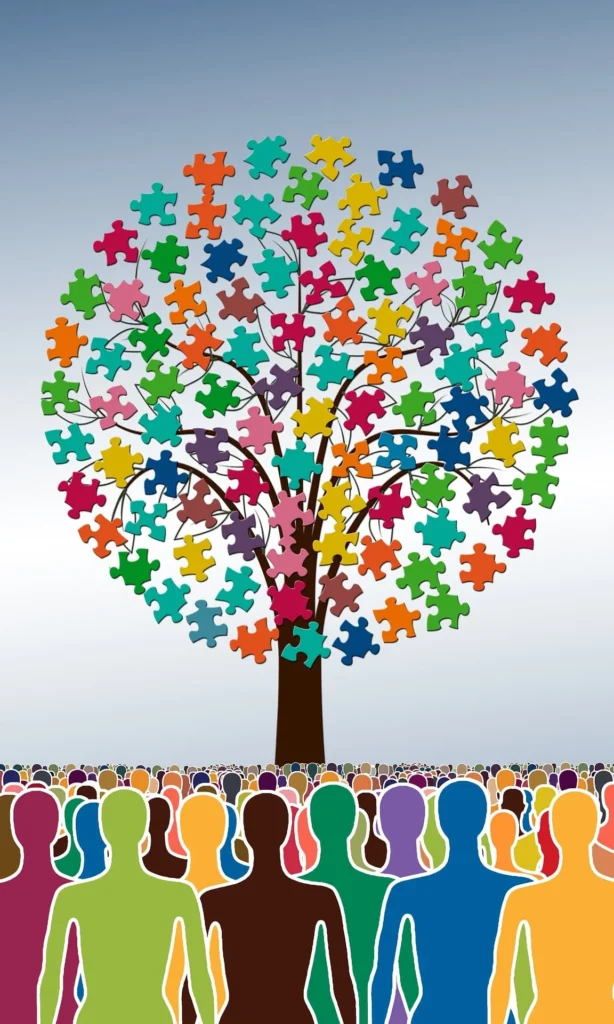
This is why collaboration has become one of the defining characteristics of future-ready VET. No one has the complete picture. Every stakeholder sees the future from a different perspective. Employers understand how occupations and workplaces are changing. Educators know how people learn and which teaching approaches are most effective. Learners bring new expectations, digital habits and career aspirations. Regional authorities understand local development priorities, while universities, innovation centres and community organisations contribute research, emerging knowledge and new ideas.

Image by Geralt from Pixabay
Individually, each perspective is valuable. Together, they create a much richer understanding of the skills and competencies that learners will need. This is why organisations such as Cedefop and the OECD increasingly emphasise that responsive VET systems are built on strong partnerships, stakeholder dialogue and shared responsibility for skills development. Future-ready education is no longer created for stakeholders, it is created with them.
Collaboration Makes Better Decisions
Collaboration is not simply about creating more partnerships. It is about improving the quality of educational decisions. When curriculum development includes employers, graduates, teachers and learners, institutions gain a broader understanding of changing competence needs. When local authorities and community organisations contribute to discussions, programmes become more responsive to regional opportunities and social challenges.
Perhaps most importantly, collaboration helps institutions challenge their own assumptions. An employer may identify emerging technologies that educators have not yet considered. Learners may highlight new ways of working and learning. Community organisations may reveal barriers affecting participation that are invisible within the classroom. These different perspectives help institutions move beyond a single view of the future and design learning that is both innovative and relevant.
From Partnerships to Skills Ecosystems
The strongest VET institutions no longer view collaboration as a series of individual projects.
Instead, they become part of a wider skills ecosystem – a network of employers, education providers, public authorities, innovation organisations and community partners working towards a shared goal: preparing people for lifelong learning and changing careers.
Within these ecosystems, collaboration supports much more than curriculum design. It creates opportunities for work-based learning, teacher professional development, innovation projects, shared resources and continuous dialogue about emerging skills needs.
The result is a VET system that learns and adapts alongside the communities it serves.
Building meaningful partnerships requires time, trust and a shared purpose. It cannot depend solely on individual contacts or short-term projects. For this reason, collaboration should be embedded within every VET institution’s strategy. A strategic approach helps institutions identify key partners, define shared objectives and establish regular mechanisms for dialogue, co-creation and mutual learning. It also ensures that collaboration continues even as technologies, funding priorities and labour market needs evolve.
Toward the future
The future of vocational education will not be shaped by institutions working in isolation.
It will be shaped by those that learn continuously, share knowledge and build strong relationships with the people and organisations around them. Future-proof VET is therefore not simply about adopting new technologies or responding to emerging skills. It is about creating a culture of collaboration in which educators, learners, employers and communities work together to anticipate change and prepare for it. Because in a rapidly changing world, the most valuable resource a VET institution can develop is not the ability to predict the future. It is the ability to learn from others while shaping that future together.